
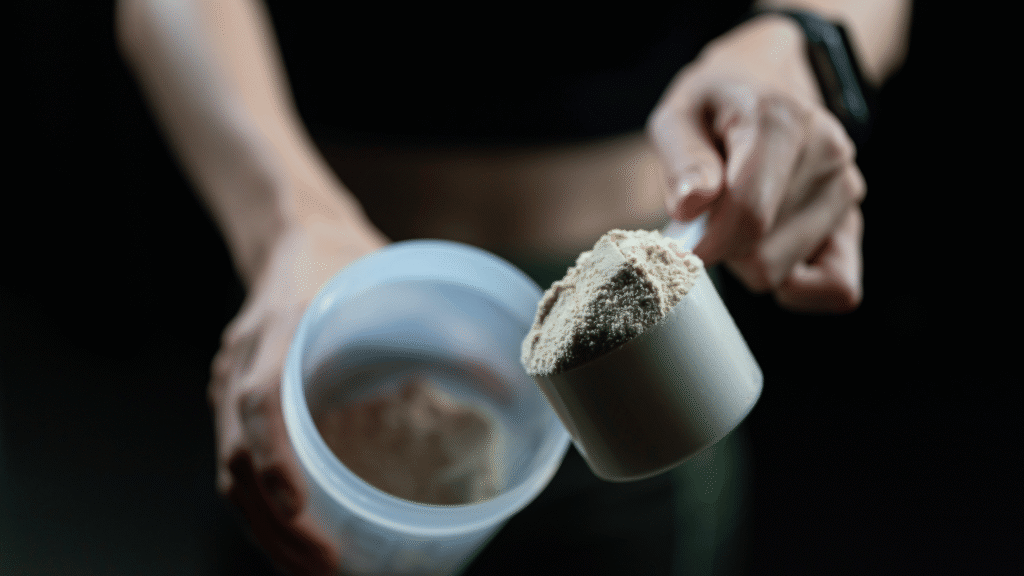
Introduction: Choosing the Right Protein Supplement for Your Body
Whether you’re an athlete looking to build muscle, a health-conscious individual trying to improve your diet, or simply someone aiming to meet daily protein goals, protein supplements can be a convenient and effective solution. Two of the most popular options on the market today are whey protein and pea protein.
Both claim to support muscle recovery, weight management, and overall wellness—but they differ greatly in terms of origin, digestion, nutrition, and suitability for different lifestyles.
So how do you choose between whey and pea protein? This article breaks down the key benefits and drawbacks of each to help you make an informed decision based on your personal health goals, dietary preferences, and body needs.
Whey Protein: The Gold Standard in Sports Nutrition
Whey protein is a byproduct of cheese production and comes from dairy. It is one of the most widely researched and commonly used protein supplements in the world, especially among athletes and gym-goers.
Benefits of Whey Protein
1. High Biological Value and Complete Protein
Whey contains all nine essential amino acids, making it a complete protein. It is particularly rich in branched-chain amino acids (BCAAs) like leucine, which are crucial for muscle protein synthesis.
2. Rapid Absorption
Whey is known for its fast digestion and absorption, making it ideal for post-workout recovery. It spikes amino acid levels in the blood quickly, helping muscles repair and grow.
3. Muscle Building and Strength Support
Numerous studies have shown that whey protein helps:
- Promote lean muscle gain
- Increase muscle strength
- Support fat loss when combined with resistance training
4. Versatility and Taste
Whey protein is available in various forms:
- Whey Concentrate (more affordable, retains some carbs/fats)
- Whey Isolate (higher protein content, low in lactose)
- Whey Hydrolysate (pre-digested for even faster absorption)
It typically comes in flavored powders and is easy to mix into shakes, oatmeal, and even baked goods.
Drawbacks of Whey Protein
1. Not Suitable for Vegans or Lactose-Intolerant Individuals
Since it’s a dairy product, whey is not appropriate for those who:
- Follow a vegan diet
- Have milk allergies
- Are lactose intolerant (though isolate forms contain less lactose)
2. May Cause Digestive Issues
Some users experience bloating, gas, or stomach cramps, especially with whey concentrate. Those with sensitive digestion might not tolerate whey well.
3. Potential for Hormones and Additives
Depending on the brand, some whey products may contain:
- Artificial sweeteners
- Hormonal residues from non-organic milk
- Fillers and thickeners
Always check the ingredient list and sourcing.
Pea Protein: A Plant-Based Alternative on the Rise
Pea protein is extracted from yellow split peas and is a popular plant-based protein powder. It has gained traction among vegans, vegetarians, and people with food sensitivities.
Benefits of Pea Protein
1. Hypoallergenic and Easy to Digest
Pea protein is naturally dairy-free, gluten-free, and soy-free, making it an excellent option for individuals with common food allergies. It’s generally easy on the digestive system and causes minimal bloating.
2. Rich in Essential Amino Acids
While not fully complete in isolation (it is slightly low in methionine), pea protein is rich in:
- BCAAs (especially arginine and leucine)
- Iron (plant-based)
- Lysine (an essential amino acid often lacking in other plant proteins)
Combined with other plant sources like rice or hemp, it becomes a complete amino acid profile.
3. Supports Muscle Growth
Though absorption is slower than whey, studies show pea protein is nearly as effective as whey for muscle thickness and strength when consumed consistently with resistance training.
4. Vegan-Friendly and Sustainable
Pea protein is ideal for:
- Vegan and vegetarian diets
- Individuals concerned with animal welfare
- Eco-conscious consumers—pea farming uses less water and land than dairy production
Drawbacks of Pea Protein
1. Incomplete Protein (Slightly)
On its own, pea protein is not technically complete, missing enough methionine to qualify. However, this is easily corrected by:
- Eating a varied diet
- Blending it with other plant-based proteins
2. Earthy Flavor and Texture
Some people find the taste or texture of pea protein chalky or grassy, especially if unflavored. That said, newer formulations and brands have improved palatability.
3. Lower Leucine Content Compared to Whey
Leucine is the key amino acid in triggering muscle protein synthesis. Pea protein contains less leucine than whey, which may require slightly higher doses to achieve the same anabolic effect.
Side-by-Side Comparison: Whey vs Pea Protein
| Feature | Whey Protein | Pea Protein |
|---|---|---|
| Source | Dairy (Milk-based) | Plant (Yellow Split Peas) |
| Protein Quality | Complete protein, high leucine | Near-complete, slightly low in methionine |
| Absorption Speed | Fast (great for post-workout) | Moderate |
| Vegan-Friendly | ❌ No | ✅ Yes |
| Lactose-Free | Only whey isolate | ✅ Yes |
| Digestibility | May cause bloating | Generally easy to digest |
| Muscle Building Support | Excellent | Very Good |
| Taste & Texture | Creamy, smooth | Slightly gritty or earthy |
| Price Range | Moderate to high (especially isolate) | Moderate |
| Environmental Impact | Higher | Lower (sustainable crop) |
Which One Should You Choose?
Choose Whey Protein If You:
- Want the fastest muscle recovery
- Are not lactose intolerant or vegan
- Prefer a smoother texture and creamy taste
- Value a high leucine content for building muscle efficiently
Choose Pea Protein If You:
- Follow a vegan or vegetarian lifestyle
- Have dairy allergies or digestive issues
- Prefer a more sustainable and eco-conscious option
- Want a plant-based protein that’s still highly effective for workouts
For Best of Both Worlds
Some companies now offer blended protein powders (pea + rice or pea + hemp), combining amino acid profiles to mimic whey’s completeness—ideal for those wanting plant power with enhanced functionality.
Conclusion: The Right Protein Depends on You
There’s no universal answer to the “pea vs whey” debate—because the best protein for your body depends on your goals, values, and sensitivities.
If you’re chasing maximum muscle gains post-workout and don’t have dairy issues, whey protein remains a powerful, research-backed option. If you’re vegan, allergic to dairy, or prefer plant-based choices with sustainability in mind, pea protein offers a strong, reliable alternative that performs surprisingly well.
Whichever you choose, consistency is key. A good protein supplement—paired with proper diet and training—can help you build strength, support recovery, and feel your best.
Related Posts

How to Choose a Construction Company That Stays on Budget and Finishes the Job
Introduction: Why Choosing the Right Contractor Matters Building a home…

MT5 in Malaysia: Discover the Leading Trading Platform for Malaysian Traders
Trading platforms have revolutionised the way people engage with financial…

The Future of Web Trading: Emerging Trends for MT5 Web Terminal
The MT5 Web Terminal is revolutionizing web trading, powering a…